
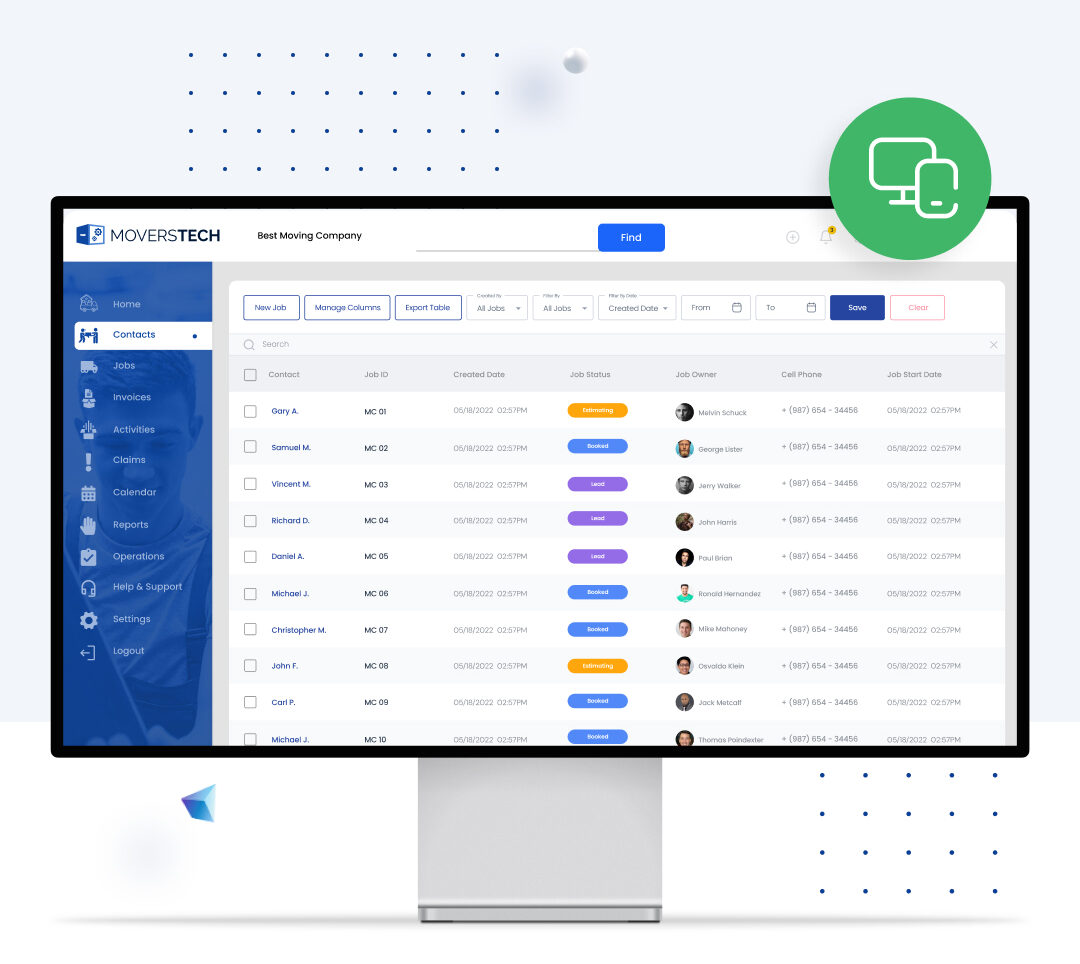
Rigid pricing rules often reduce profit for moving companies because real jobs rarely match the original estimate. When pricing cannot adjust to changes in time, distance, or inventory, small gaps appear between estimates and actual work, creating revenue loss and operational inefficiencies.
Pricing often looks organized on paper, but real moving jobs rarely follow perfect rules. Many moving companies rely on fixed pricing structures because they make quoting faster and easier to manage. The problem appears once the move actually begins. Jobs take longer than expected, inventory changes, elevators slow things down, or access becomes more complicated than planned. When pricing cannot adjust to these realities, the difference between the estimate and the actual work starts to grow. Over time, those small gaps quietly eat into profit and make certain jobs far less profitable than they should be.
What are the hidden costs of rigid pricing rules in moving operations?
Once pricing rules stay fixed while move conditions change, several operational problems start to appear:
- Revenue loss from small pricing gaps
- Inconsistent pricing across similar moves
- Manual work that increases office pressure
- Slower billing and delayed cash flow
- Higher customer questions and disputes
- Limited ability to scale operations cleanly
- Locking pricing before the move
Revenue loss from small pricing gaps
Most revenue loss does not come from one big mistake. It comes from small differences between the estimate and the actual job. A move takes an extra hour, but the price stays fixed. The crew spends time dealing with stairs, long carries, or elevator delays that were not included in the original quote. The inventory grows after packing begins, yet the flat rate does not change.
Each situation looks small on its own. But when the same gaps repeat across dozens of jobs during the month, they slowly reduce the profit from work that should have been fully paid for.
Inconsistent pricing across similar moves
Once crews arrive at a job, they often discover details that were not clear during the estimate. Stair carries take longer than expected, parking is farther away, or the inventory grows once packing begins. These changes immediately affect labor time and overall cost.
When pricing rules are fixed, the crew cannot adjust the job while it is happening. The difference between the estimate and the real work only becomes visible after the move is finished. At that point, dispatch or billing has to step in and correct the numbers manually. Without proper moving pricing software, those adjustments rely on memory and judgment instead of a consistent system.
Manual work that increases office pressure
As pricing gaps grow, the office usually feels the pressure first. Dispatchers start adjusting numbers by hand to make jobs line up with what actually happened. Billing teams rely on notes from the crew to understand extra time, access issues, or inventory changes. In many companies, side spreadsheets appear just to track missing charges.
Over time, these workarounds become normal. But they also create inconsistency. Two similar moves may end up with different totals depending on who reviewed the job or which notes were recorded. Billing slows down because every invoice needs extra checks before it can be finalized.
When manual reviews become part of the process, administrative costs increase, and office teams spend more time fixing pricing than managing operations.
Slower billing and delayed cash flow
Rigid pricing can slow billing once the move is complete. When charges do not update automatically, office teams must review each job line by line. Extra labor time, mileage changes, or added services all require manual checks before the invoice can be finalized.
This review process often pushes billing back by days instead of hours. Payments arrive later, even though the work is already finished. Over time, slower invoicing creates cash flow pressure and adds unnecessary workload for the billing team.

Higher customer questions and disputes
When customers receive an invoice, unclear pricing often leads to questions. Charges can feel inconsistent when the reasoning behind them is not obvious. Even when the final amount is correct, the explanation may not feel convincing to the customer.
As a result, customers call the office to ask for clarification or request adjustments. In many cases, the issue is not the price itself but how the charges were calculated. Without a clear structure, billing teams spend more time explaining invoices and resolving concerns.
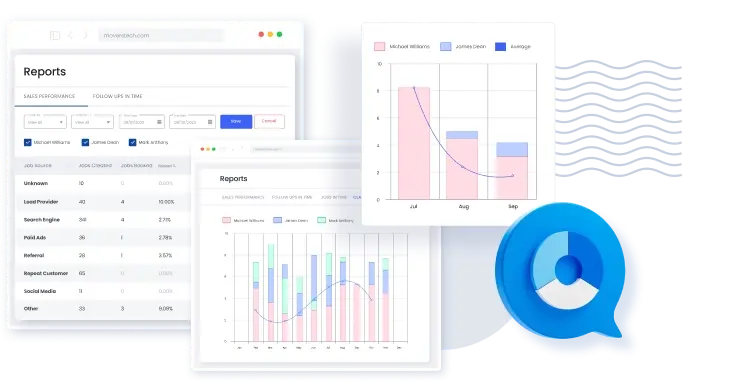
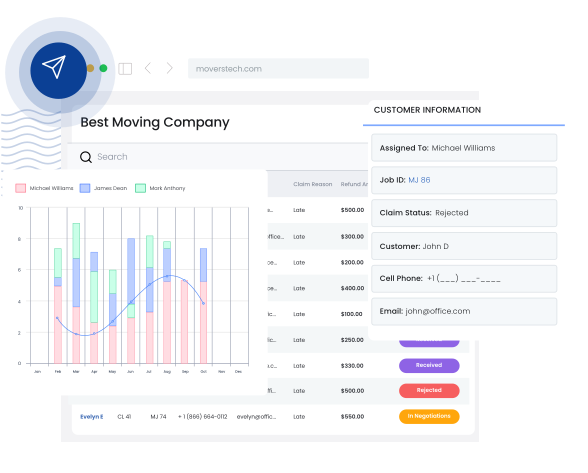
Structured pricing reduces this friction. When charges are calculated consistently and documented properly, teams can quickly explain how the final total was formed. If disputes arise, systems like claim management software for movers work more effectively because every adjustment and charge can be traced back to a clear operational reason.
Limited ability to scale operations cleanly
As move volume grows, pricing must stay consistent without adding more work for the office. A strong system supports different charge types and applies them the same way across every job. Staff can see exactly how totals are calculated, and customers can clearly understand what they are paying for.
Clear breakdowns reduce questions, speed up billing, and keep operations predictable as the schedule fills. This consistency also keeps moving company documents accurate and aligned, since estimates, invoices, and approvals all follow the same pricing logic. When pricing and documentation stay connected, companies can scale operations without adding unnecessary administrative work.
Locking pricing before the move
Many quotes are created before full job details are known. At booking, inventory may still be incomplete and access details unclear. As the move date approaches, changes happen. Items get added, delivery locations shift, and storage becomes necessary. When pricing is locked too early, these updates no longer affect the total. The gap between the estimate and the real job begins to grow before the truck even rolls. Staff then face a choice between undercharging or reopening pricing conversations late in the process.
Why one charge type can’t fit every move
Every move brings different cost pressure. Some jobs change because of distance, others because of size or access. When one pricing method is used for every job, accuracy drops fast. This is where the cost of rigid pricing rules in moving operations becomes clear. Different move types require different charge logic, which usually falls into four main categories:
- Percentage-based charges work well for fuel, peak season fees, and risk-related costs. As the total job value changes, the charge adjusts with it instead of staying fixed.
- Weight-based charges fit long-distance and interstate moves. Heavier shipments increase fuel use and liability, which weight reflects more accurately than flat pricing.
- Mileage-based charges support local moves with changing routes. Traffic, service zones, and multi-stop jobs all affect travel time in ways fixed fees cannot follow.
- Volume-based charges apply to storage and partial loads. Space usage often drives costs more than labor time, especially when inventory changes after booking.
How flexible charge calculations protect margins
When pricing can adjust as job details change, margins stay protected. Each charge follows clear rules based on real data instead of guesswork. Labor, distance, volume, and timing update the total automatically as information becomes available. This removes pressure from dispatch and billing teams. They no longer need to decide what feels fair. The system applies the same logic every time. As a result, the cost of rigid pricing rules in moving operations drops, because pricing now reflects what actually happened on the move.
A moving company CRM with structured pricing rules makes this possible by connecting estimates, job updates, and invoicing in one place. As details change, the pricing logic updates automatically instead of relying on manual corrections. As a result, the impact of rigid pricing rules disappears, because pricing now reflects what actually happened on the move.
Build pricing rules that work with your operations
Rigid pricing rules often feel safe because they simplify quoting. Over time, they tend to do the opposite. They limit accuracy, slow operations, and quietly reduce profit. Real moves change constantly, and pricing needs to respond without creating confusion.
When calculations stay flexible and rule-based, teams work faster, and margins stay protected. Most pricing problems are not caused by the moves themselves but by systems that cannot adapt to changing details. When pricing reflects how moves actually happen, operations stay cleaner, billing stays clearer, and growth becomes much easier to manage.
Frequently Asked Questions
Why do flat pricing models cause revenue leakage in moving companies?

Flat pricing ignores how often moves change once they begin. Time, distance, and load size rarely stay exactly as estimated. When the price stays fixed, the company absorbs the extra labor, mileage, or materials. Over time, those small differences add up and reduce the profit from jobs that initially looked profitable.
How do variable charges reduce billing disputes?
Variable charges follow a clear structure. When customers can see how labor time, mileage, or volume affected the final total, pricing feels more transparent. This clarity reduces confusion and lowers the number of billing questions or disputes after the move.
When should moving companies adjust pricing logic?
Pricing logic should evolve as operations grow or services expand. Adding storage, long distance jobs, or multi stop routes introduces more variables. If pricing rules stay the same while operations become more complex, the gap between estimates and actual costs becomes harder to manage.
What types of moves benefit most from flexible charge calculations?
Long distance moves, storage jobs, partial loads, and high volume schedules benefit the most. These moves change frequently and involve more variables than simple local jobs. Flexible pricing helps keep totals accurate and ensures the final invoice reflects the work that actually took place.
