
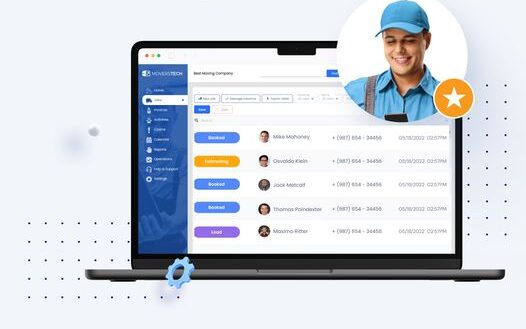
Peak season exposes operational weaknesses fast. Pre-season is the only clear window to evaluate moving company systems calmly, reduce workflow friction, strengthen CRM processes, and prepare teams before volume, pressure, and daily demands overwhelm operations.
Peak season exposes weak systems faster than most movers expect. As volume increases, pressure shifts away from marketing and straight into daily operations. Calls come in constantly, schedules tighten, and small gaps begin to affect every part of the workflow. During slower months, quick fixes often feel acceptable. However, once jobs stack up, those same fixes slow the office down and create confusion. Pre-season offers the only calm window to review how your business truly operates. With fewer distractions, you can spot issues early and make informed adjustments.
Why pre-season is the only time systems can be evaluated honestly
During peak season, everything becomes reactive. You solve problems as they appear because there is no time to step back. Every call feels urgent. Every change feels immediate. As a result, you focus on keeping jobs moving instead of reviewing how systems actually perform.
After the season ends, fatigue takes over. Teams feel burned out, and details blur together. At that point, decisions rely more on memory than facts. Pre-season sits between those two extremes. It gives you space to think clearly. That is when a pre-season reality check for moving company systems can help you. You can use it to evaluate processes without pressure, shaping your judgment.

What busy season really tests
When the schedule fills up, most movers assume the challenge is volume. In reality, the busy season tests how well your systems handle pressure. Every new job depends on speed, accuracy, and clear coordination across the office and crews. As activity increases, small delays start to stack. Dispatch decisions take longer, and details get repeated or missed. Also, communication slows between the office, drivers, and customers. At the same time, handoffs become more frequent, which means even minor gaps can interrupt the flow of work.
The busy season does not create these problems. It simply reveals the weaknesses that already exist. When systems struggle under pressure, they were never stable to begin with.
The systems movers rely on most when things get busy
As volume increases, daily workflows start overlapping. New leads arrive while crews remain on the road, and the office manages active jobs at the same time. Because of this, your systems must support several processes at once.
Lead intake and follow-up need to stay organized, so opportunities do not slip away. Dispatch must adjust quickly when schedules change. Job details and documents must remain accurate from booking through completion. At the same time, customers expect updates without needing to chase the office.
When these functions stay connected, teams move faster and with fewer mistakes. This is where a pre-season reality check for moving company systems becomes important, especially when evaluating how communication tools for moving company workflows keep customers and staff aligned as activity increases.

Where most moving company systems start to crack
As volume grows, manual fixes begin to pile up across the office. Notes drift into emails, details move into spreadsheets, and updates often get shared verbally because it feels faster at the time. As information spreads across different places, accuracy becomes harder to maintain.
Office staff usually step in to keep everything together. They remember special pricing, missing paperwork, or last-minute changes because the system does not track those details clearly. As a result, similar jobs may follow different steps depending on who handled the booking.
This setup works only while the volume stays low. Once schedules fill, memory stops scaling, and paperwork delays increase. Contracts become harder to track, and revisions create confusion. Features like automatic contract creation, documents linked directly to each job, real-time updates when changes happen, centralized storage, and version tracking reduce that friction. These are the best document automation features, because they keep documentation consistent and prevent breakdowns when pressure increases.
The warning signs movers often ignore before peak season
During slower months, certain problems feel manageable. Because schedules stay light, it is easy to push issues aside or assume they will not cause trouble later. Common thoughts usually sound like this:
- The issue can wait until after the season
- It only happens once in a while
- Only one person handles that process
- Extra care should be enough to avoid mistakes
These ideas rarely feel urgent at first. However, once volume increases, those same issues begin slowing everything down. What once felt minor starts affecting accuracy and staff workload. It also impacts how quickly your office can respond. This is important because 79 percent of customers prioritize fast and efficient support, while 90 percent expect an immediate response when they have a question. This is why a pre-season reality check for moving company systems matters now, before small warnings turn into costly disruptions during peak season.
Why CRM usually becomes the pressure point
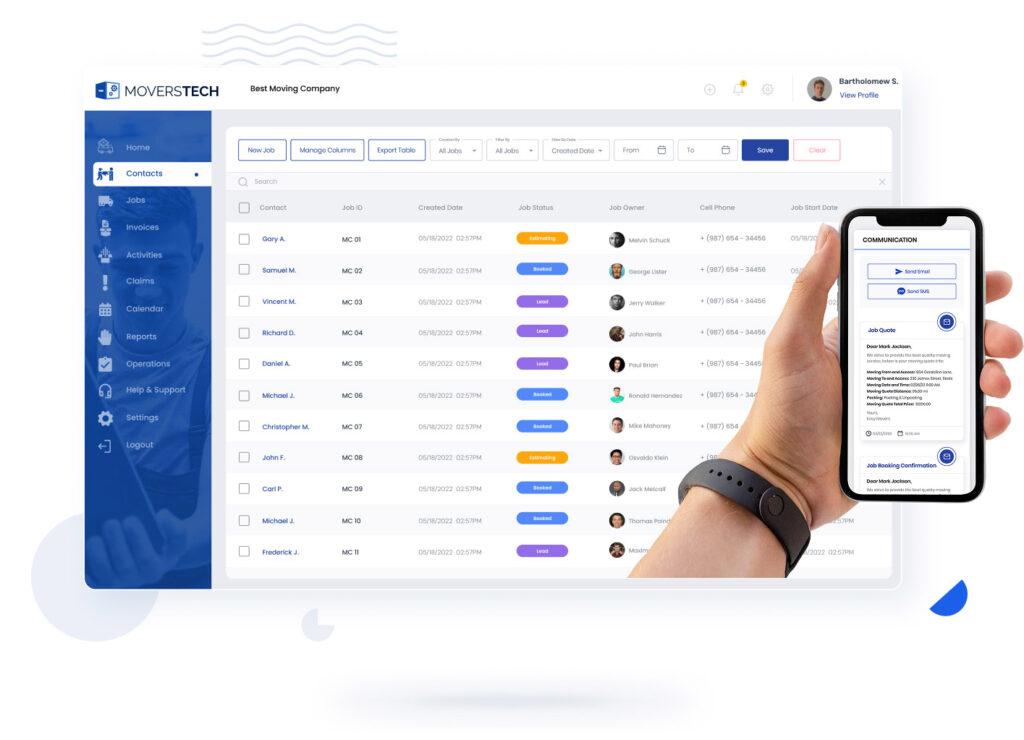
As activity increases, more responsibility runs through one central system. Leads, schedules, job details, documents, and billing all depend on it. Because of that, even small inefficiencies begin to multiply. When workflows feel rigid, teams adapt by creating side processes. They track changes manually or rely on memory to keep jobs moving. Over time, this slows down the office and increases the risk of mistakes. During busy months, dispatch feels the strain first because timing and coordination leave little room for delay. That is why dispatch tools for movers matter most when schedules stay full. At this stage, your CRM stops acting like simple software and starts functioning as an operational infrastructure that either supports growth or adds pressure.
What a pre-season reality check actually looks like
Before peak season begins, it helps to step back and review how your CRM supports daily work. The goal is not to change everything. Instead, you want to confirm whether the system still fits how your team operates today. During this review, focus on a few practical questions:
- Can workflows adjust easily when your processes change?
- Does information move smoothly between estimates, jobs, and follow-ups?
- Do contracts, job details, and communication stay connected without manual steps?
- Does billing flow clearly, especially when comparing automated invoices vs. manual billing where delays often appear after jobs are completed?
It helps you see whether growth will stay organized or create added strain once volume increases.
The goal is not perfection before peak season
The objective before busy months is not to rebuild everything at once. Instead, the focus should stay on reducing friction across daily workflows. When bottlenecks decrease, work moves more smoothly, and teams spend less time fixing issues. Clear processes also limit confusion and create consistency between jobs. At the same time, relying less on individual people protects the operation as volume increases. When systems absorb pressure instead of pushing it onto staff, the entire team stays more stable and better prepared for a demanding season.
Prepare your moving organization before pressure arrives
Peak season rewards preparation more than improvisation. When schedules tighten and volume increases, systems reveal how a moving company truly operates. That is why understanding your workflows early matters. Pre-season gives you space to review, adjust, and strengthen the structure behind daily work. When systems stay connected, pressure feels manageable instead of overwhelming. A pre-season reality check for moving company systems will help you identify gaps early and understand where strain appears before peak season begins. The best time to review how your business runs is before every process feels the weight of peak volume.
Frequently Asked Questions
Why should moving companies review their systems before peak season?

Pre-season allows movers to evaluate workflows without pressure, identify weak points early, and make adjustments before high volume turns small issues into operational disruptions.
What systems are most affected during peak moving season?
Lead intake, dispatch, job documentation, customer communication, and billing experience the most strain as volume increases and processes begin overlapping.
What is the goal of a pre-season system check for movers?
The goal is not perfection, but reducing friction, improving consistency, and ensuring systems absorb pressure instead of pushing stress onto staff during peak season.
How can movers identify system weaknesses before peak season starts?
By reviewing how information moves between leads, schedules, jobs, documents, and billing, movers can spot friction points before increased volume exposes them.
