

To keep a local feel across multiple branches, standardize your core processes while allowing flexibility in execution. A centralized CRM ensures consistent communication, branding, and job management, while each location maintains control over local operations and customer relationships.
Growth is exciting, but it often exposes the weak points in your operation. Customers notice those issues first. As you expand into new cities, the personal service that helped you earn trust early on can start to slip. That is where many companies run into trouble with how to keep a local feel while running a multi-city moving company. The problem is not growth itself. It is what happens when your systems stop carrying the same clarity, consistency, and local context across every branch. Tools like MoversTech CRM help you keep that experience organized as you grow.
What customers expect from a “local” moving company
When people hire movers, they expect more than just availability in their area. What they are really looking for is a local feel for a moving company that understands the details of their specific move. That starts with clear communication from someone who knows the area and can give accurate answers without hesitation. It also shows how well you set expectations around parking, building access, walk distance, and timing, especially in cities with tight streets or strict regulations.
Customers also expect consistent updates so they are not left wondering what is happening next. Most importantly, they want to feel like their move is handled with attention, not passed through a system.
Where multi-city operations start breaking down
Once you start expanding, the customer experience usually does not break all at once. It starts slipping in small ways that become obvious fast. That often happens when a multi-city moving business still runs on scattered communication and office-by-office habits. A central office may answer the phone without knowing the area well enough to guide the customer properly. Estimates may miss local details that affect pricing, timing, or crew planning. One branch may send clear updates while another sounds vague or inconsistent. Over time, information also starts getting passed around manually, which makes it easier for important job details to get missed. That is usually when customers stop feeling like they are dealing with a local company.
Advice on how to keep a local feel while running a multi-city moving company
If you want your company to grow without sounding distant, disorganized, or generic, you need systems that protect the customer experience across every branch. To keep your service personal, consistent, and locally relevant as you expand, you should:
- Keep local knowledge built into the process
- Make it clear which branch handles the job
- Standardize communication without making it generic
- Keep everyone working from the same information
- Support local teams with structure
- Use one system to stay local at scale
Keep local knowledge built into the process
Local experience should not depend on who happens to handle the job. It should be part of how every move is planned from the start. That means collecting the same key details during every estimate, no matter which branch is involved. You should always capture building access, parking conditions, walk distance, elevator use, loading restrictions, and any city-specific rules that can affect the move. These details shape how the job is priced and scheduled, and they prevent surprises on moving day.
Just as important, all of this information should be stored in one place. When notes live in different tools or rely on memory, consistency breaks. When they are structured and shared, every team can deliver the same level of local awareness.
Make it clear which branch handles the job
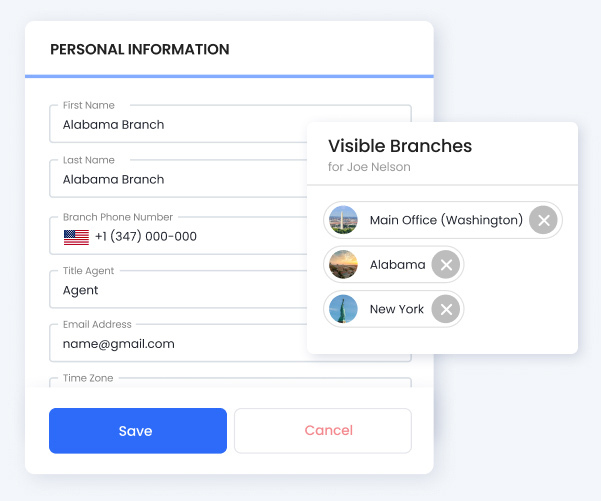
Customers should never have to guess who they are dealing with. If that part feels unclear, trust starts dropping early. Every job should clearly reflect the correct branch in emails, calls, estimates, and follow-up messages. The phone number, office name, sender identity, and job documents should all match the assigned location so the customer knows exactly who is handling the move. That clarity becomes even more important when different offices share admin or sales support.
This is also where clean paperwork matters. If your team needs to create moving company documents that stay accurate across locations, the process should support branch-specific details without creating confusion or extra manual work.
Standardize communication without making it generic
Consistency matters, but customers should never feel like they are reading the same message everyone else gets. A strong communication process gives every branch the same structure for confirmations, reminders, updates, and follow-ups, which keeps your service level steady no matter who handles the move.
At the same time, the message should still reflect the job itself, the location, and any details the customer actually needs to know. Four-fifths of consumers say they are comfortable with personalized experiences and expect companies to offer them. That is how you keep a local moving brand across cities without sounding robotic, by staying consistent in structure while keeping every message specific and useful.
Keep everyone working from the same information
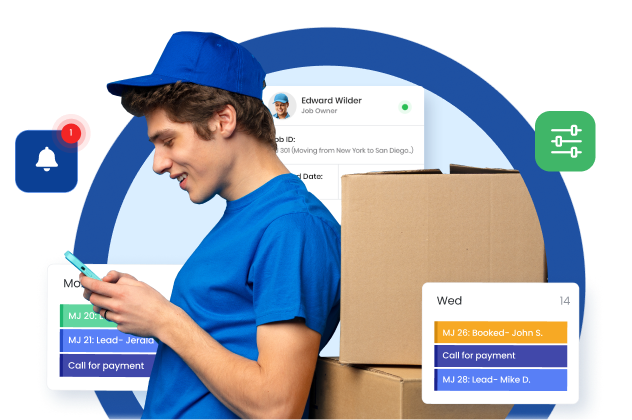
Problems grow when teams work with different versions of the same job. That is when customers start repeating themselves and losing patience. Sales may collect key details, but if dispatch does not see them clearly, the plan changes. If the crew shows up without full information, the move slows down and creates stress for everyone involved. This usually happens when notes are scattered or passed manually between offices.
Keeping everything in one shared place fixes that. When every team sees the same job details, communication stays clear, handoffs are smoother, and the customer experience feels consistent from start to finish.
Support local teams with structure
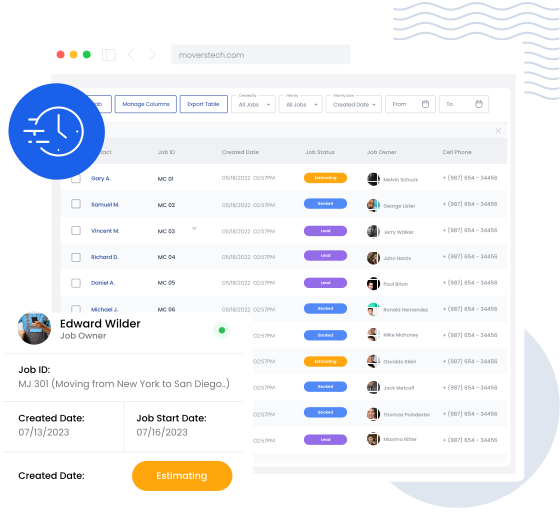
Your branches need room to run their jobs well, but they should not be building their own systems from scratch. That is where many growing companies lose consistency. One office handles updates one way, while another office collects different estimate details. Over time, the customer experience starts depending too much on location.
So, how to standardize operations across branches without making the process rigid? Keep the structure consistent, but give each office enough flexibility to manage local jobs well. The goal is simple: give local teams ownership while keeping the company aligned around one clear way of working.
Use one system to stay local at scale
Keeping a local feel gets harder as your company grows, especially when more branches, more staff, and more jobs start moving at the same time. Without structure, the customer experience quickly starts to feel disconnected.
One system makes that easier to control. When every branch works from the same platform, your team can keep communication, notes, job details, and documents organized without losing the local context behind each move. That gives every office a clear process while still allowing the customer experience to feel personal and location-specific.
Your company can grow and still feel local
Growth does not remove what made your company feel local in the first place. Weak systems do. That is the real answer to how to keep a local feel while running a multi-city moving company. If your communication, branch identity, and job details stay clear at every stage, customers will still feel like they are working with a team that knows their area and cares about the move. A strong multi branch CRM gives you the structure to keep that experience consistent, even as your company expands into more cities.
Frequently Asked Questions
Can you keep a local feel while scaling to multiple cities?

Yes. By standardizing backend operations and allowing local teams to personalize interactions, companies can scale without losing their community-based approach.
Why do some growing moving companies lose their local feel?
They scale operations without structure. As a result, communication breaks down and the experience becomes inconsistent from one branch to another.
How can local teams stay accountable as you grow?
By tracking performance through one system, where activity, results, and communication are visible across all branches.
What makes a multi-branch moving company feel “local” to customers?
Clear communication, fast responses, and teams that understand local logistics, even if the backend systems are centralized.
