
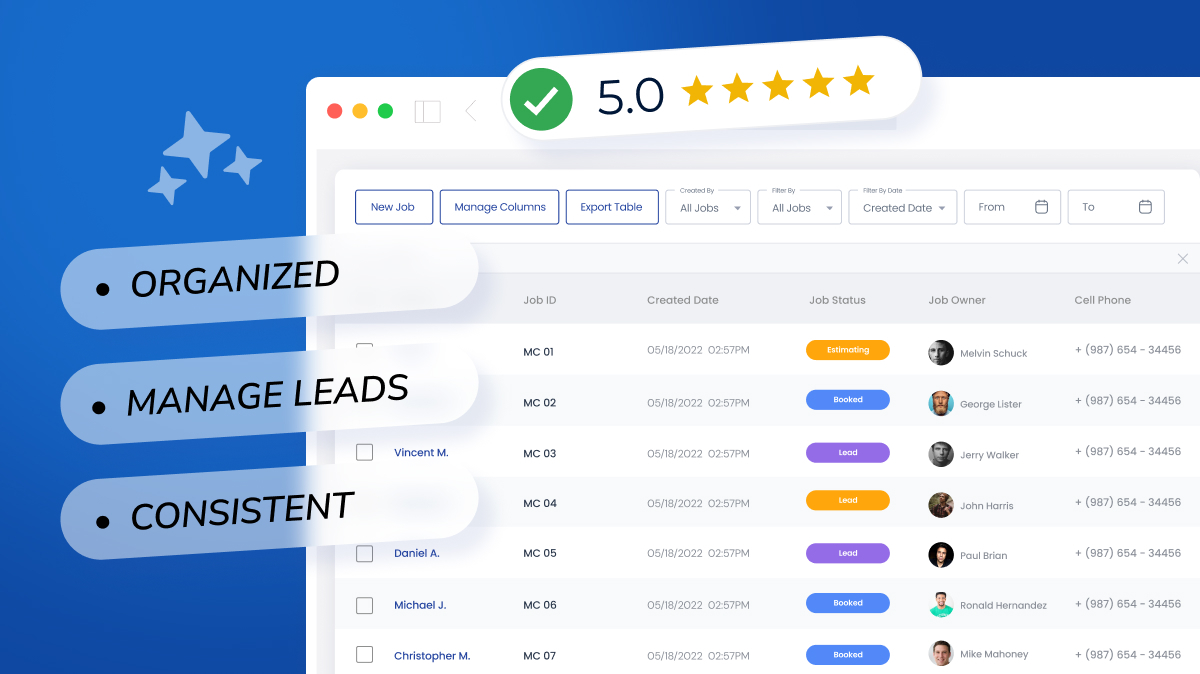
Multi-location office moves fail when teams underestimate phased timelines, crew rotation, and internal handoffs. Without clear structure and job history, small delays and overruns stack quietly, leading to scheduling conflicts, billing issues, and eroded profit across long-running commercial relocation projects.
Multi-location office moves often look simple during planning. However, they test operations in ways many teams do not expect. On the surface, the work feels familiar. You move offices for one client across several locations. At the same time, timelines stretch across weeks or months. Because of that, coordination starts to matter more than trucks or labor. Many companies adopt software for commercial work, yet problems still appear when the process is not clearly defined. That happens because tools do not replace process. We will tell you why multi-site relocations break down in real operations and where teams usually underestimate the risk.
What makes multi-location office moves difficult
Multi-location office moves often feel manageable at first. However, complexity builds as work spreads across time, locations, and teams. These are the reasons why control starts to slip:
- They look simple on paper but behave like separate jobs
- Phased timelines create dependency between locations
- Crew rotation breaks continuity between phases
- Internal communication breaks between locations
- One delayed phase compresses the entire schedule
- Billing problems surface after work spreads across phases
- Small overruns quietly erode profit over time
They look simple on paper, but behave like separate jobs
Phased commercial moves look simple until they start breaking your operation. At first, everything feels familiar. You work with the same client. You sign one contract. You assign the same crew types. You only add more addresses and dates. Because of that, many teams plan multi-site relocations as one extended job.

However, that assumption causes trouble fast. In practice, these moves do not behave like larger projects. Instead, they act like separate jobs stacked together. Each site has its own timing, risks, and decisions. When you treat them as one job, those differences disappear. As a result, problems stay hidden until they surface later.
Phased timelines create dependency between locations
Multi-location office moves change the moment work spreads across phases. Instead of one execution window, the job unfolds over weeks or even months. Because of that, every phase depends on the previous one finishing cleanly. When one step slips, the next one cannot start on time.
In practice, these dependencies stack quickly. IT teams wait until furniture is placed. Furniture placement waits until crews clear the old space. When delays happen, they ripple across locations. Meanwhile, client expectations stay fixed. Schedules move, but deadlines do not. As a result, multi-location office moves turn small timing issues into ongoing coordination problems.
Crew rotation breaks continuity between phases
Multi-site relocations often require crews to rotate between phases. At first, that feels normal. Crew A handles the first phase. Later, Crew B or Crew C steps in. Because of that rotation, continuity starts to break.
Office teams often assume context moves with the job. However, it usually does not. The next crew arrives without full clarity. They may not know what already moved, what stayed on purpose, or what the client considers out of scope. As time passes, those gaps grow. As a result, multi-location office relocations lose shared understanding even when everyone follows the plan.

Internal communication breaks between locations
Multi-location office relocations rarely fail because the client stays silent. In many cases, the client communicates clearly from the start. However, problems appear inside the operation instead.
As work stretches across locations and time, internal communication starts to slip. One branch confirms a plan. Another branch executes a different version. Dispatchers change between phases. Notes get missed between days and weeks. Because of that, teams act on partial information. Over time, multi-site relocations suffer from internal drift, even when the client believes everything stays aligned.
One delayed phase compresses the entire schedule
Multi-location office moves often look well planned on the schedule. Dates line up and crews appear available. At first glance, nothing feels risky. However, commercial timelines rarely flex. Elevators, loading docks, and permits lock into specific windows.
When one phase runs long, everything after it compresses. As a result, dispatch teams rush to adjust assignments while crews work longer hours. Changes start happening late in the process. For example, a delayed move forces dispatchers to reshuffle crews, update time windows, and reassign equipment within hours. This is one of the most important internal moving company dispatch tips to stay organized, yet pressure still exposes gaps. Because of that, these projects often slide from controlled planning into reactive scheduling.
Billing problems surface after work spreads across phases
Phased commercial moves often feel under control until billing begins. By that point, earlier issues no longer stay hidden. Instead, they surface all at once. Original quotes usually assume clean phases and smooth handoffs. However, real execution rarely follows that plan.

As phases stretch out, extra labor starts to add up. Crews return to locations they already cleared. Storage gaps appear between move dates. Weekend work fills schedule holes created by delays. Over time, these small changes expand the job beyond the original agreement. This is a classic case of scope creep, where work grows gradually without a clear reset of expectations. Because work happens across multiple locations, dates, and crews, billing teams struggle to explain charges clearly. As a result, multi-site relocations reveal their true cost late, when adjustments are hardest.
Small overruns quietly erode profit over time
Multi-location office moves often look healthy while the work is in progress. At first, each phase seems close enough to plan. Labor runs slightly long. A return trip appears here and there. Because each issue feels small, teams move on without concern.
Over time, those small overruns start to stack. However, no single phase triggers a warning. Each one feels manageable on its own. Meanwhile, margin erodes quietly in the background. By the time the final invoice goes out, profit looks thinner than expected. At the same time, clients begin questioning line items. As a result, these projects disappoint on both sides, even when execution felt steady throughout.
What well run multi location moves do differently
Phased commercial moves run smoother when teams change how they think about the work. Instead of treating everything as one long project, strong operators break it into clear phases. Each phase stands on its own. Because of that, teams plan, execute, and review work in smaller units.
At the same time, crews hand off responsibility clearly between phases. Because of that, office staff can see what happened before and what comes next. Job history stays visible instead of living in messages or memory. In addition, you can use moving company inventory software to keep inventory records consistent across locations and phases. As a result, multi-site relocations stay organized even as time and locations expand.
Where technology supports the process
Multi-location office moves still rely on a strong process first. However, technology can support that structure when teams use it correctly. Instead of replacing judgment, systems preserve memory over time.
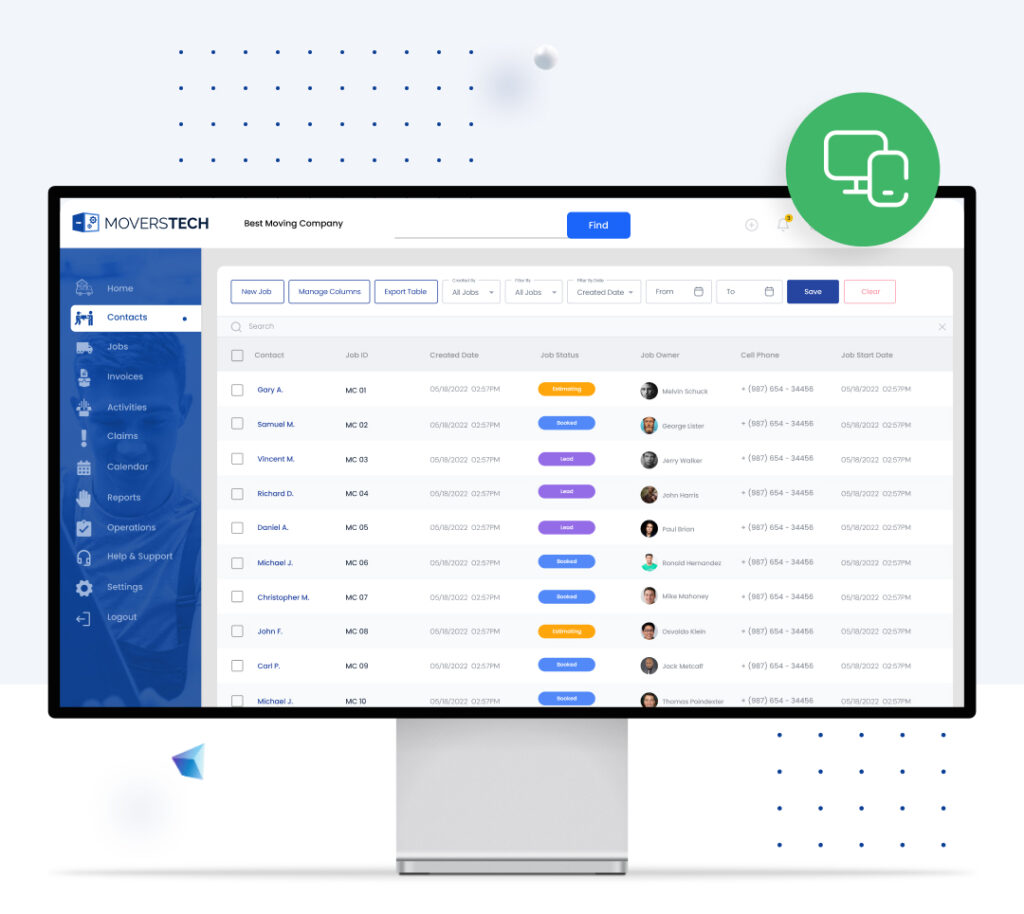
For example, phase notes stay attached to the job. Crew updates get logged as work happens. Changes become visible to everyone, not just one dispatcher. Because of that shared visibility, teams avoid repeating mistakes. As a result, multi-site relocations maintain continuity even when people, dates, and locations change.
Set a clearer structure for your next commercial move
Multi-location office moves fail more often because teams underestimate them. At first, everything looks familiar, so risks stay hidden. Over time, fragmentation across people, phases, and locations starts to build. Because work stretches out, coordination matters more than distance or weight. When operations treat multi-location office moves like a single job, they behave like several unmanaged ones. Instead, strong teams plan for separation and handoffs from the start. That mindset often pairs well with a CRM for commercial moves, job history, phase notes, and handoffs across time. In the end, success comes from discipline, not scale.
Frequently Asked Questions
Why are multi-location office moves more complex than single-site moves?

Multi-location office moves operate like several separate jobs spread across time and locations. Each phase introduces new dependencies, handoffs, and risks that do not exist in single-site commercial moves.
What causes multi-location office moves to fall behind schedule?
Delays usually come from phased timelines, shared dependencies between locations, and limited flexibility with permits, elevators, and access windows. One delayed phase often compresses every phase that follows.
How do crew changes affect multi-location office moves?
Crew rotation breaks continuity when context is not clearly handed off. New crews may lack full visibility into previous phases, leading to rework, missed scope details, and longer execution times.
Why do billing issues appear late in multi-location office moves?
Billing problems surface after work spreads across phases. Small labor overruns, return trips, and schedule changes accumulate gradually, making final invoices harder to explain and reconcile with original quotes.
