
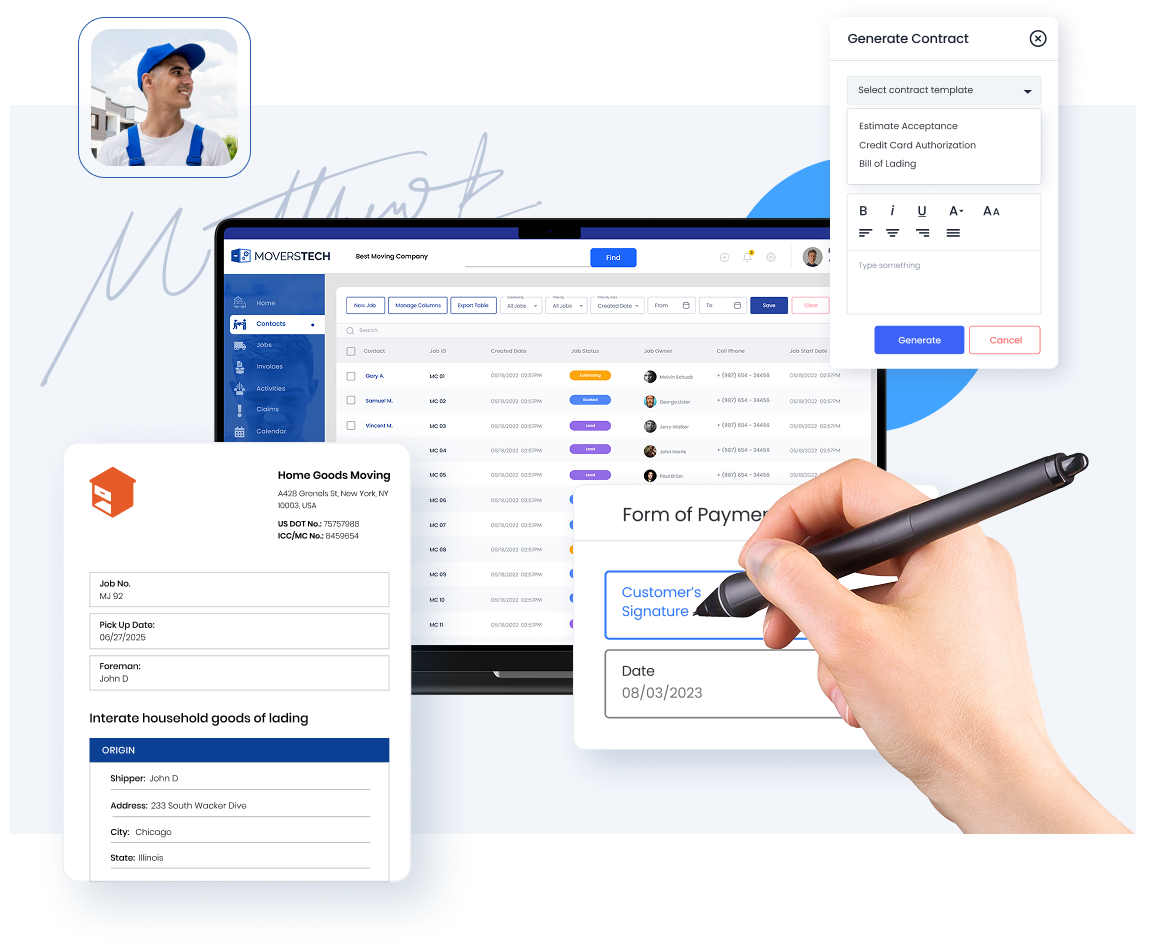
Editable contracts speed up booking for moving companies by allowing customers to complete required fields, signatures, and approvals in one guided flow. This reduces paperwork errors, eliminates document back and forth, and helps offices confirm jobs faster while customer intent to book is still strong.
Paperwork is where many moving jobs quietly slow down. Once a customer agrees to move forward, momentum should stay strong, yet contracts often interrupt it. Emails go back and forth, fields stay empty, and signatures get missed, which delays deposits and pushes decisions into the next day. This moment matters because interest is highest right after a customer says yes. That is exactly why editable contracts speed up booking for moving companies, especially when your process runs inside reliable moving software that keeps documents connected to the job. When customers can complete paperwork correctly without extra steps, fewer questions appear and fewer bookings stall, so the office can confirm jobs faster and move on.
Top reasons why editable contracts speed up booking for moving companies
The moment a customer agrees to move forward is when speed matters most, since delays at this stage often decide whether a job stays confirmed or quietly stalls. These are the main reasons why editable contracts speed up booking for moving companies:
- Delays after customer approval disappear
- Static PDFs no longer create a document back and forth
- Customers complete their information and signatures in one flow
- Manual contract corrections drop significantly
- Every day, moving scenarios get resolved inside the contract
Delays after customer approval disappear
Most delays begin after the agreement feels settled. A customer receives the contract, opens it on a phone or computer, and tries to complete it quickly. However, fields get skipped, some sections feel unclear, and questions come back by email. In many cases, credit card details are missing, or initials are never added where required. Because of this, the office must review the document manually and follow up again. This back and forth eats time right when intent is strongest, which explains why editable contracts speed up booking for moving companies. When paperwork stalls, bookings stall with it, and even motivated customers begin to lose urgency.
Static PDFs no longer create a document back and forth
Static contracts were never designed for speed. A customer can read the document, but the format does not guide them through what must be completed. Required fields cannot be enforced, checkboxes are easy to miss, and signatures often appear in only one place, even when multiple approvals are needed. As a result, documents return incomplete and trigger more emails. Each correction slows the process further. This daily friction is one of the main reasons why editable contracts speed up booking for moving companies, since static PDFs quietly drain office time while giving customers more chances to pause or walk away.
Customers complete their information and signatures in one flow
The process changes when customers can complete everything at once. Instead of reading a contract first and figuring out what to send later, they enter their details while signing. Choices are made directly inside the document, and each signature appears exactly where it is required. This removes guessing and reduces follow-up questions. At the same time, customers feel guided rather than rushed. When the document flows naturally from top to bottom, completion happens faster, and the agreement feels clear instead of complicated.
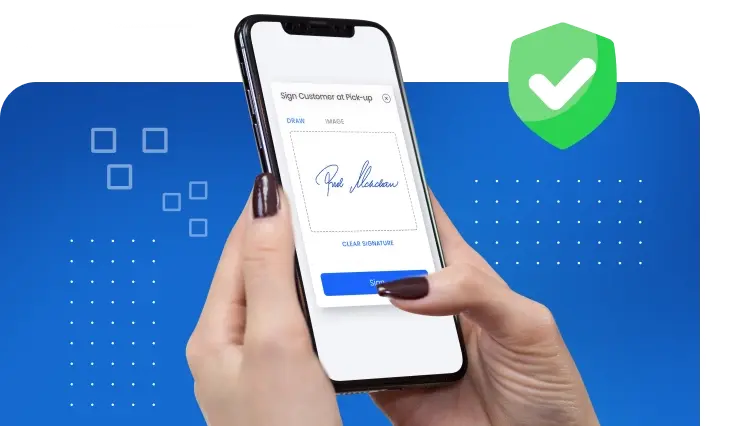
Manual contract corrections drop significantly
When contracts are completed the first time correctly, daily operations become easier to manage. Incomplete documents drop because the required fields guide customers through every step. Deposits and authorizations arrive faster since payment sections are signed and submitted together. At the same time, office teams spend less time retyping information into the system, which reduces mistakes and keeps records clean. This structure also matters when questions, disputes, or claims come up later, since signed documents stay clear and traceable. These improvements explain why editable contracts speed up booking for moving companies, especially when paired with structured digital paperwork for moving companies that keeps every document tied to the job from the start.
Everyday moving scenarios get resolved inside the contract
These situations come up every day in a moving office. Credit card authorizations often arrive late because customers prefer not to send details in a separate email. When the information is entered and signed inside the contract, approval happens immediately. Optional services create similar delays, since packing, valuation coverage, or added protection usually require follow-up messages. When customers select these options directly, decisions stay clear. Multiple signatures cause another slowdown, especially when initials are required across terms. Structured documents solve this while supporting accurate records like a digital Bill of Lading for moving businesses, keeping job files complete from the beginning.
How this fits into a modern CRM workflow
Contracts work best when they stay connected to the job instead of living in separate folders. When documents are linked directly to estimates and bookings, information moves forward without extra uploads or manual steps. This keeps the office focused on scheduling and coordination rather than document cleanup.
This is how a connected workflow keeps contracts organized and prevents paperwork from slowing the booking process:
- Estimates and contracts remain linked, so paperwork always matches the correct job.
- Booking details flow automatically without re-entry or duplicate work.
- Office teams spend less time fixing documents and more time coordinating moves.
- Each job follows the same structure, which keeps operations consistent.
This approach reflects why editable contracts speed up booking for moving companies, especially when they are part of an automation blueprint for movers that keeps paperwork, approvals, and job details moving together instead of drifting apart.

How to start using fillable contracts
Getting started is simple and does not require rebuilding your documents. You can add text fields, checkboxes, and signature areas exactly where customers need to complete them. Each section guides the signer naturally through the document. This structure reduces confusion and shortens turnaround time, which reinforces why editable contracts speed up booking for moving companies by helping paperwork move forward without delays.
Fix the paperwork moment that slows bookings
Speed matters most right after a customer agrees to move forward. That moment can either carry momentum or quietly lose it through paperwork delays. When contracts are easy to complete and hard to get wrong, fewer questions appear, and fewer follow-ups are needed. Customers finish faster, deposits arrive sooner, and jobs move into scheduling without friction. This is why editable contracts speed up booking for moving companies. They remove unnecessary pauses from the process and keep agreements moving forward while intent is still high.
Frequently Asked Questions
Why do static PDF contracts slow down moving bookings?

Static PDFs often return incomplete because customers can easily miss required fields, initials, or signatures. When information is missing, office teams must follow up by email, which delays deposits and slows down the process of confirming the move.
How do editable contracts improve the booking process for movers?
Editable contracts guide customers through each required section. Fields, checkboxes, and signatures appear exactly where needed, allowing customers to complete everything in one step. This reduces follow-up emails and helps offices confirm jobs faster.
Can fillable contracts reduce administrative work in a moving office?
Yes. When customers complete contracts correctly the first time, office teams spend less time reviewing documents, requesting corrections, or reentering information. This keeps records cleaner and allows staff to focus on scheduling and coordination.
Do editable contracts work better with moving company CRM software?
Yes. When contracts are connected to estimates and job records inside a CRM, documents stay linked to the correct move. This prevents lost paperwork, keeps records organized, and ensures contracts match the details of each job.
